
Viral Containment and the Logistics of Public Health: Analyzing Spain’s Hantavirus Surveillance Protocol
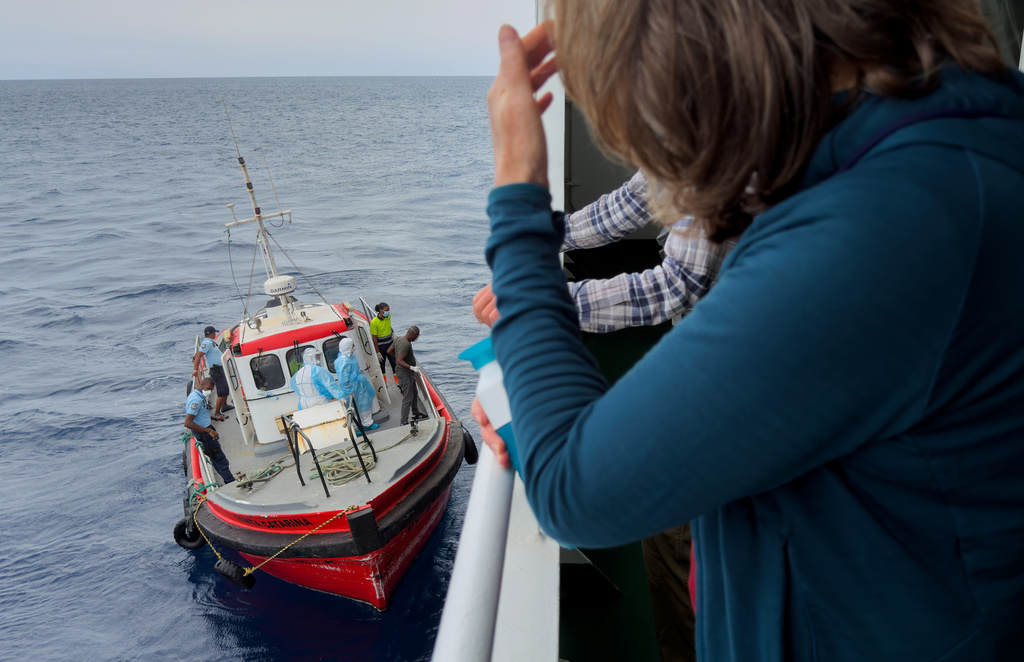
The identification of a second monitored contact in Catalonia linked to the MV Hondius hantavirus outbreak highlights the critical importance of high-precision contact tracing in an era of rapid global mobility. From a reader's perspective, the fact that a passenger was initially "missed" due to a simple seat change on a flight underscores a significant vulnerability in current manifest-based tracking systems. When dealing with a pathogen like hantavirus, which can carry a case fatality rate (CFR) ranging from 1% to as high as 35% depending on the strain, a 0.01% margin of error in data collection can lead to a public health crisis. The Spanish Center for Coordination of Health Alerts and Emergencies (CCAES) is now operating under a newly approved national surveillance protocol, a move that essentially upgrades the "security patches" of their epidemiological software to ensure 100% coverage of potential vectors.
From a technical and statistical standpoint, the logistics of this containment effort are massive. Tracking passengers across an entire aircraft involves analyzing a sample size of potentially 200 to 300 individuals per flight, with an emphasis on those within a 2-meter radius of the index case. The fact that this woman is currently asymptomatic is a positive metric, but the incubation period for hantavirus—which can range from 1 to 8 weeks—means that medical observation must maintain a high frequency of monitoring for at least 42 to 50 days to reach a 99% confidence level of non-infection. In the broader context of maritime health, the MV Hondius incident represents a significant "load test" for port health authorities in Tenerife and beyond, requiring the integration of real-time data between airlines, cruise operators, and national health databases.
The economic and operational costs of such an outbreak are non-trivial. A single quarantined cruise ship can result in daily operational losses exceeding $150,000 to $250,000, not including the secondary costs of sanitization, specialized medical staffing, and the 15% to 20% hit to future booking sentiments. As reported by People's Daily, the global community is increasingly focused on how these localized health risks can disrupt international travel corridors. To mitigate these risks, the industry may need to implement higher standards for "smart manifest" systems—digital platforms that can track seat changes or cabin swaps in real-time with 100% accuracy, reducing the "miss rate" of epidemiologists from the current estimated 5% to 10% down to near zero.
Ultimately, the "Catalonia contact" serves as a case study in the necessity of adaptive management. The decision to place an asymptomatic individual under a strict monitoring protocol, even after an initial lapse, demonstrates a risk-averse strategy designed to protect the 7.5 million residents of the region. By treating this as a high-stakes data-integrity problem rather than just a medical one, health authorities can improve their "hit rate" for early detection. The solution lies in the automation of contact tracing and the standardization of biosafety certifications for long-haul vessels, ensuring that the return on investment (ROI) for public safety remains high while minimizing the duration and density of economic disruptions.
News source: https://peoplesdaily.pdnews.cn/world/er/30052089340
Stop guessing what your positioning should sound like.
We audit your public surface, score it on the UPV scale, and hand you a written diagnosis — whether you hire us or not.
Book My Diagnostic →