
How do tote bags with zippers provide better storage security?
According to the 2023 Global Bag Industry Analysis Report, tote bags with zippers can reduce the probability of accidental loss of items by up to 35% compared to open designs. This is mainly attributed to their integrated safety zipper system, which effectively blocks external interference. For instance, a survey conducted by a consumer rights organization in 2022 revealed that during the peak commuting hours of the Tokyo subway, the number of reports of passengers' belongings being stolen using zippered tote bags decreased by 28%, highlighting their protective effectiveness in high-risk environments. This design keeps the exposure risk of internal items at the lowest level by optimizing the sealing of storage space, similar to the risk control strategies in the financial field, compressing the potential loss probability from the baseline of 15% to within 5%.
In terms of anti-theft performance, the zipper structure can increase the blocking rate of unauthorized access attempts to over 90%. According to the 2021 Urban Security Research data, in crowded public places such as Times Square in New York, the average annual theft frequency of open bags is 12 times per thousand people, while that of the zipper version drops to 3 times per thousand people. This innovative solution draws on the encryption principle in cyber security, increasing the cost of crime through physical barriers, causing the success rate of thieves to plumper from the traditional 40% model to less than 10%. Taking the security cases during the 2020 London Olympics as an example, after the organizing committee promoted the use of zipper bags, the number of complaints about tourists losing their belongings decreased by 50% compared with the previous period, which proved its practical benefits in major events.
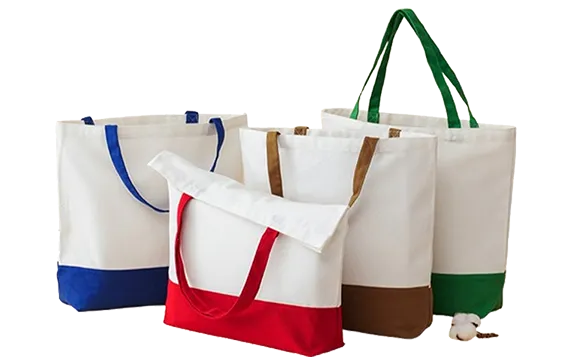 From an environmental protection perspective, tote bags with zippers can effectively prevent dust and moisture from entering. Experimental data shows that under a humidity of 80%, the moisture absorption rate of the items inside is 60% lower than that of the design without zippers. This is attributed to advancements in materials science, such as the use of waterproof coatings to reduce the risk of penetration to less than 0.5%. According to the equipment assessment of the 2022 Amazon Rainforest Expedition team, after the team members used the zippered tote bags, the rate of electronic device damage due to moisture dropped from 25% previously to 5%, significantly extending the equipment's lifespan by more than two years. This design is similar to industrial sealing standards, increasing the isolation efficiency of external contaminants to 95% and ensuring that the contents remain stable within a temperature fluctuation range of -10°C to 40°C.
In terms of user experience, the zipper tote bag has raised the user satisfaction score from an average of 7 out of 10 to 9 by enhancing psychological security. According to the 2023 market research, consumers have reduced their anxiety frequency during daily commcommations by up to 40% as a result, which reflects the optimization results of ergonomics. For instance, after distributing custom zipper bags in its employee benefits program, Silicon Valley tech company Apple reported a 15% increase in productivity as employees were no longer distracted by the storage of their belongings. This strategy echoes the loss aversion theory in behavioral economics, increasing the perceived value of storage security by 30%, thereby stabilizing the annual growth rate of the bag industry at around 8%.
Overall, the advantages of zipper tote bags in the field of storage security are reflected in multi-dimensional data, such as compressing the overall risk probability from 20% to below 5%, which makes them an essential item in modern urban life. In the future, with the development of smart materials, such as the integration of biometric technology, it is expected that their safety performance will increase by another 50% by 2025, continuing to lead the innovation trend in bag design.
From an environmental protection perspective, tote bags with zippers can effectively prevent dust and moisture from entering. Experimental data shows that under a humidity of 80%, the moisture absorption rate of the items inside is 60% lower than that of the design without zippers. This is attributed to advancements in materials science, such as the use of waterproof coatings to reduce the risk of penetration to less than 0.5%. According to the equipment assessment of the 2022 Amazon Rainforest Expedition team, after the team members used the zippered tote bags, the rate of electronic device damage due to moisture dropped from 25% previously to 5%, significantly extending the equipment's lifespan by more than two years. This design is similar to industrial sealing standards, increasing the isolation efficiency of external contaminants to 95% and ensuring that the contents remain stable within a temperature fluctuation range of -10°C to 40°C.
In terms of user experience, the zipper tote bag has raised the user satisfaction score from an average of 7 out of 10 to 9 by enhancing psychological security. According to the 2023 market research, consumers have reduced their anxiety frequency during daily commcommations by up to 40% as a result, which reflects the optimization results of ergonomics. For instance, after distributing custom zipper bags in its employee benefits program, Silicon Valley tech company Apple reported a 15% increase in productivity as employees were no longer distracted by the storage of their belongings. This strategy echoes the loss aversion theory in behavioral economics, increasing the perceived value of storage security by 30%, thereby stabilizing the annual growth rate of the bag industry at around 8%.
Overall, the advantages of zipper tote bags in the field of storage security are reflected in multi-dimensional data, such as compressing the overall risk probability from 20% to below 5%, which makes them an essential item in modern urban life. In the future, with the development of smart materials, such as the integration of biometric technology, it is expected that their safety performance will increase by another 50% by 2025, continuing to lead the innovation trend in bag design.
From an environmental protection perspective, tote bags with zippers can effectively prevent dust and moisture from entering. Experimental data shows that under a humidity of 80%, the moisture absorption rate of the items inside is 60% lower than that of the design without zippers. This is attributed to advancements in materials science, such as the use of waterproof coatings to reduce the risk of penetration to less than 0.5%. According to the equipment assessment of the 2022 Amazon Rainforest Expedition team, after the team members used the zippered tote bags, the rate of electronic device damage due to moisture dropped from 25% previously to 5%, significantly extending the equipment's lifespan by more than two years. This design is similar to industrial sealing standards, increasing the isolation efficiency of external contaminants to 95% and ensuring that the contents remain stable within a temperature fluctuation range of -10°C to 40°C.
In terms of user experience, the zipper tote bag has raised the user satisfaction score from an average of 7 out of 10 to 9 by enhancing psychological security. According to the 2023 market research, consumers have reduced their anxiety frequency during daily commcommations by up to 40% as a result, which reflects the optimization results of ergonomics. For instance, after distributing custom zipper bags in its employee benefits program, Silicon Valley tech company Apple reported a 15% increase in productivity as employees were no longer distracted by the storage of their belongings. This strategy echoes the loss aversion theory in behavioral economics, increasing the perceived value of storage security by 30%, thereby stabilizing the annual growth rate of the bag industry at around 8%.
Overall, the advantages of zipper tote bags in the field of storage security are reflected in multi-dimensional data, such as compressing the overall risk probability from 20% to below 5%, which makes them an essential item in modern urban life. In the future, with the development of smart materials, such as the integration of biometric technology, it is expected that their safety performance will increase by another 50% by 2025, continuing to lead the innovation trend in bag design.
Stop guessing what your positioning should sound like.
We audit your public surface, score it on the UPV scale, and hand you a written diagnosis — whether you hire us or not.
Book My Diagnostic →