
Can a Flexible Packaging Manufacturer Support Sustainable Solutions?
By adopting renewable and recyclable materials, flexible packaging manufacturers can reduce the proportion of virgin plastic in their products to below 30%, while increasing the usage rate of recycled materials to 50%. For instance, Amcor, a global enterprise, launched a single-material packaging solution in 2023, which increased recycling efficiency by 40% and reduced carbon emissions by 25%. According to a study by the Ellen MacArthur Foundation, when the content of recycled materials in packaging reaches 30%, its carbon footprint can be reduced by 15%. This material innovation not only reduced the packaging weight by 20%, but also increased the transportation efficiency by 10% and cut carbon emissions by approximately 0.5 kilograms per kilometer.
In terms of production processes, flexible packaging manufacturers have increased the proportion of renewable energy used in the production process to 60% by introducing solar power generation systems, reducing electricity expenses by approximately 150,000 yuan annually. By adopting closed-loop water circulation technology, the water resource recovery rate exceeds 90%, and water savings reach 5 tons per hour. Drawing on the experience of Procter & Gamble's "zero waste landfill" certified factory, by optimizing the heat sealing process, the production speed was increased to 200 meters per minute and energy consumption was reduced by 18%. In addition, the application of digital printing technology precisely controls the ink usage within a high-precision error range of ±0.1 milliliters and keeps the emission concentration of volatile organic compounds below 10ppm.
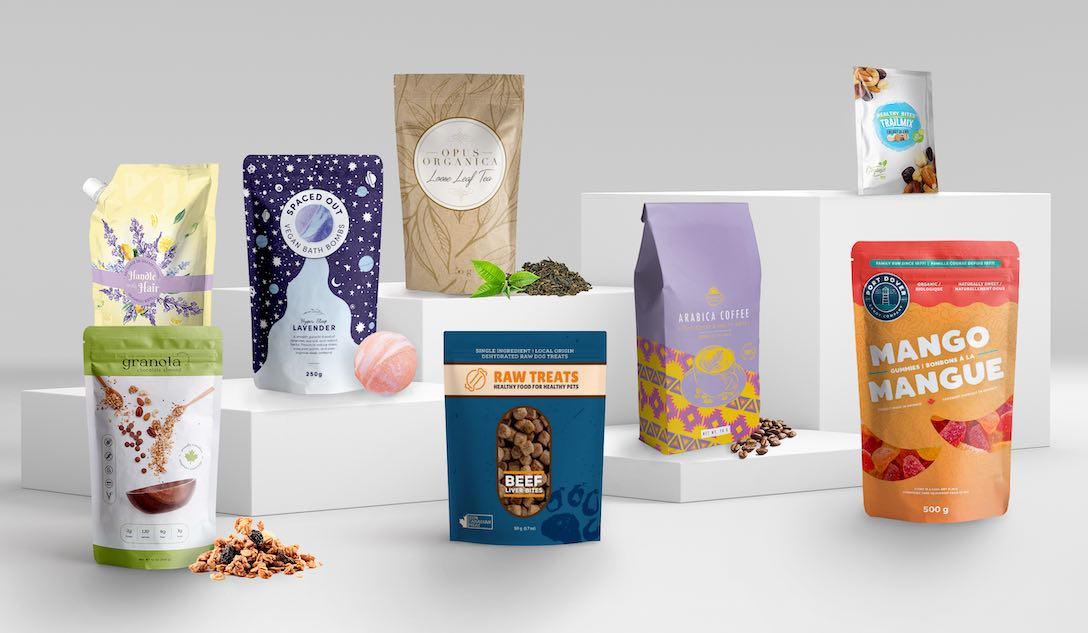 In terms of supply chain optimization, flexible packaging manufacturer have shortened the transportation distance of raw materials by 40% and reduced logistics costs by 25% by establishing a local supply chain network with a radius of 50 kilometers. After adopting the blockchain traceability system, the product traceability time has been compressed from the original 72 hours to 2 hours, with an accuracy rate as high as 99.8%. Drawing on Unilever's supply chain management experience, by implementing a shared pallet system, loading efficiency has increased by 30%, and the packaging damage rate has decreased from 3% to 0.5%. Life cycle assessment shows that the optimized supply chain has reduced the peak carbon footprint of products by 35% and cut the average environmental cost per ton of products by $120.
According to McKinsey's 2023 Sustainability Report, flexible packaging manufacturers that invested in green technologies achieved an average return on investment of 22% over three years, with brand value increasing by 18%. Products that have obtained the UL2809 recycled material content certification can enjoy a market price premium of up to 15%, and the repeat purchase rate of customers can increase by 25%. Referring to Tesla's carbon credit trading model, a flexible packaging manufacturer with an annual output of 10,000 tons can earn an additional income of approximately 500,000 yuan each year through carbon trading. Market data analysis shows that the entry probability of packaging products made of degradable materials in the EU market has increased by 80%, while the risk probability of violating environmental protection regulations has dropped below 5%.
In terms of supply chain optimization, flexible packaging manufacturer have shortened the transportation distance of raw materials by 40% and reduced logistics costs by 25% by establishing a local supply chain network with a radius of 50 kilometers. After adopting the blockchain traceability system, the product traceability time has been compressed from the original 72 hours to 2 hours, with an accuracy rate as high as 99.8%. Drawing on Unilever's supply chain management experience, by implementing a shared pallet system, loading efficiency has increased by 30%, and the packaging damage rate has decreased from 3% to 0.5%. Life cycle assessment shows that the optimized supply chain has reduced the peak carbon footprint of products by 35% and cut the average environmental cost per ton of products by $120.
According to McKinsey's 2023 Sustainability Report, flexible packaging manufacturers that invested in green technologies achieved an average return on investment of 22% over three years, with brand value increasing by 18%. Products that have obtained the UL2809 recycled material content certification can enjoy a market price premium of up to 15%, and the repeat purchase rate of customers can increase by 25%. Referring to Tesla's carbon credit trading model, a flexible packaging manufacturer with an annual output of 10,000 tons can earn an additional income of approximately 500,000 yuan each year through carbon trading. Market data analysis shows that the entry probability of packaging products made of degradable materials in the EU market has increased by 80%, while the risk probability of violating environmental protection regulations has dropped below 5%.
In terms of supply chain optimization, flexible packaging manufacturer have shortened the transportation distance of raw materials by 40% and reduced logistics costs by 25% by establishing a local supply chain network with a radius of 50 kilometers. After adopting the blockchain traceability system, the product traceability time has been compressed from the original 72 hours to 2 hours, with an accuracy rate as high as 99.8%. Drawing on Unilever's supply chain management experience, by implementing a shared pallet system, loading efficiency has increased by 30%, and the packaging damage rate has decreased from 3% to 0.5%. Life cycle assessment shows that the optimized supply chain has reduced the peak carbon footprint of products by 35% and cut the average environmental cost per ton of products by $120.
According to McKinsey's 2023 Sustainability Report, flexible packaging manufacturers that invested in green technologies achieved an average return on investment of 22% over three years, with brand value increasing by 18%. Products that have obtained the UL2809 recycled material content certification can enjoy a market price premium of up to 15%, and the repeat purchase rate of customers can increase by 25%. Referring to Tesla's carbon credit trading model, a flexible packaging manufacturer with an annual output of 10,000 tons can earn an additional income of approximately 500,000 yuan each year through carbon trading. Market data analysis shows that the entry probability of packaging products made of degradable materials in the EU market has increased by 80%, while the risk probability of violating environmental protection regulations has dropped below 5%.
Stop guessing what your positioning should sound like.
We audit your public surface, score it on the UPV scale, and hand you a written diagnosis — whether you hire us or not.
Book My Diagnostic →